


Ken Wisnefski, June 30, 2026
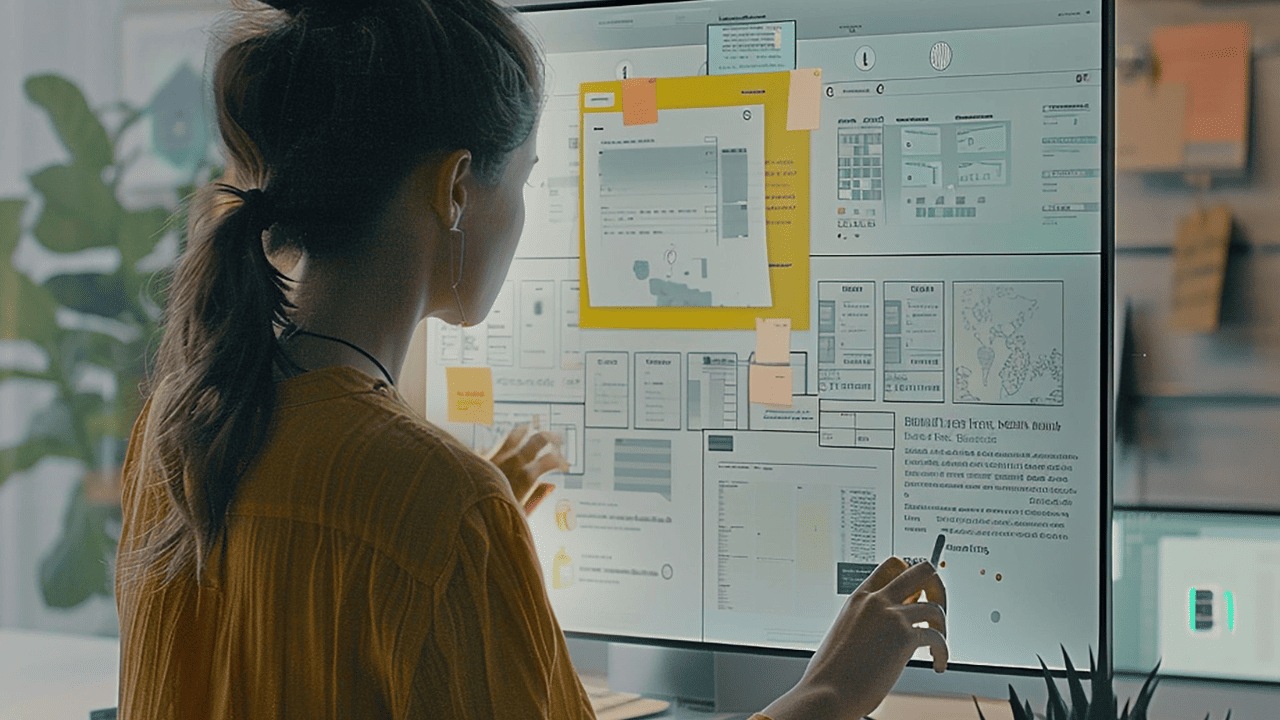
Creating a successful website involves more than building attractive pages because designing user pathways focuses on how visitors move through an entire website rather than how they experience a single screen. Every click, decision, and interaction contributes to a broader journey, and websites that guide users naturally from one step to the next often provide a more effective and engaging experience than those built around standalone pages.
As websites become larger and more content-rich, individual pages rarely exist in isolation. Visitors arrive from search engines, social media, email campaigns, or direct links, each with different expectations and objectives. Understanding how these users navigate between pages helps businesses create websites that support exploration, answer questions progressively, and make information easier to discover.
What Does Designing User Pathways Mean?
Designing user pathways is the practice of planning how visitors move through a website to accomplish specific goals. Rather than treating each webpage as an independent destination, this approach considers how pages connect and how information unfolds throughout the user's journey.
A typical pathway may include:
- Entering through a search result
- Reading an educational article
- Exploring related resources
- Learning about services
- Contacting the business
Each step builds upon the previous one, helping visitors develop understanding and confidence as they continue exploring.
Why Individual Pages Are No Longer Enough
Historically, websites were often designed page by page, with each section developed independently. While this approach can produce attractive individual pages, it sometimes creates disconnected user experiences.
Designing user pathways recognizes that visitors rarely evaluate pages individually. Instead, they experience the relationships between pages.
For example, users may ask:
- Where should I go next?
- Does this page answer my question?
- What related information is available?
- How do I continue learning?
Answering these questions through thoughtful website structure creates a smoother browsing experience.
Every Visitor Follows a Different Journey
No two visitors interact with a website in the same way. Designing user pathways accounts for these differences by supporting multiple navigation patterns instead of forcing every visitor through a single sequence.
Some visitors want:
- Quick answers
- Detailed research
- Product comparisons
- Contact information
- Educational resources
Flexible pathways allow each user to progress according to their own objectives while maintaining a logical website structure.
Building Logical Connections Between Content
One of the primary goals of designing user pathways is connecting related information in meaningful ways.
Helpful connections may include:
- Related articles
- Supporting resources
- Frequently asked questions
- Service pages
- Educational guides
These connections reduce unnecessary searching while encouraging visitors to continue exploring the website naturally.
Instead of ending the user journey on each page, websites provide opportunities for continued discovery.
Understanding User Intent
Effective designing user pathways begins with understanding why visitors arrive at a website.
Some users are:
- Learning about a topic
- Comparing available solutions
- Evaluating providers
- Preparing to make decisions
- Seeking immediate assistance
Recognizing these varying intentions allows businesses to organize information in ways that better support different stages of the decision-making process.
The result is a website that feels more helpful because it anticipates visitor needs.
Why Navigation Supports User Pathways
Navigation plays a critical role in designing user pathways because it provides the connections that allow visitors to move confidently throughout the website.
Effective navigation includes:
- Clear menus
- Logical categories
- Descriptive page titles
- Internal links
- Search functionality
- Consistent page layouts
These elements reduce uncertainty while helping visitors locate relevant information more efficiently.
Good navigation supports the overall pathway rather than acting as a separate design feature.
Reducing Decision Fatigue
Websites often overwhelm visitors by presenting too many choices simultaneously. Designing user pathways helps reduce decision fatigue by presenting information gradually and guiding users toward logical next steps.
Rather than displaying every available option at once, websites can prioritize:
- Essential information first
- Related resources second
- Additional exploration afterward
This structured progression makes browsing feel more manageable and less confusing.
Supporting Website Growth
As organizations publish more content, maintaining organization becomes increasingly important.
Designing user pathways creates a scalable framework that allows new pages to fit naturally within existing content structures.
Instead of adding isolated pages over time, businesses develop interconnected resources that strengthen the overall website.
This approach benefits both visitors and long-term website maintenance.
Measuring Successful User Pathways
The effectiveness of designing user pathways can often be observed through visitor behavior.
Positive indicators include:
- Longer browsing sessions
- Increased page exploration
- Higher engagement with related content
- Improved navigation success
- More completed website objectives
These outcomes suggest that visitors are finding information efficiently and progressing naturally through the website.
Why User Pathways Improve Overall Website Experience
Organizations such as the National Institute of Standards and Technology (NIST) emphasize the importance of designing digital systems with usability, organization, and efficient information access in mind. These same principles apply to modern websites, where thoughtful structure helps users locate information more effectively and complete tasks with greater confidence.
By focusing on designing user pathways, businesses create websites that support learning, decision-making, and exploration instead of simply presenting isolated pages. This broader perspective improves usability while making websites easier to expand and maintain over time.
Conclusion
Designing user pathways encourages businesses to think beyond individual webpages and instead focus on the complete visitor journey. Every interaction, internal link, navigation choice, and content relationship contributes to how users experience a website as a whole.
When websites are organized around connected pathways rather than standalone pages, visitors can move naturally between topics, discover relevant information more easily, and complete their goals with less effort. As websites continue to grow in complexity, designing user pathways provides a practical framework for creating digital experiences that remain intuitive, scalable, and genuinely useful.