


March 31, 2026

March 31, 2026

Enterprise brands are no longer judged only by what customers say. They are judged by what AI systems decide to repeat. When someone searches for your brand today, the answer they see is often not a list of links but a synthesized summary pulled from multiple sources. That summary becomes your reputation in real time. If you are investing in online reputation management, this shift changes the objective entirely. It is no longer just about improving sentiment or responding to reviews.
Read StoryMarch 30, 2026

March 30, 2026

March 27, 2026

March 27, 2026

March 26, 2026

March 26, 2026

March 25, 2026

March 25, 2026

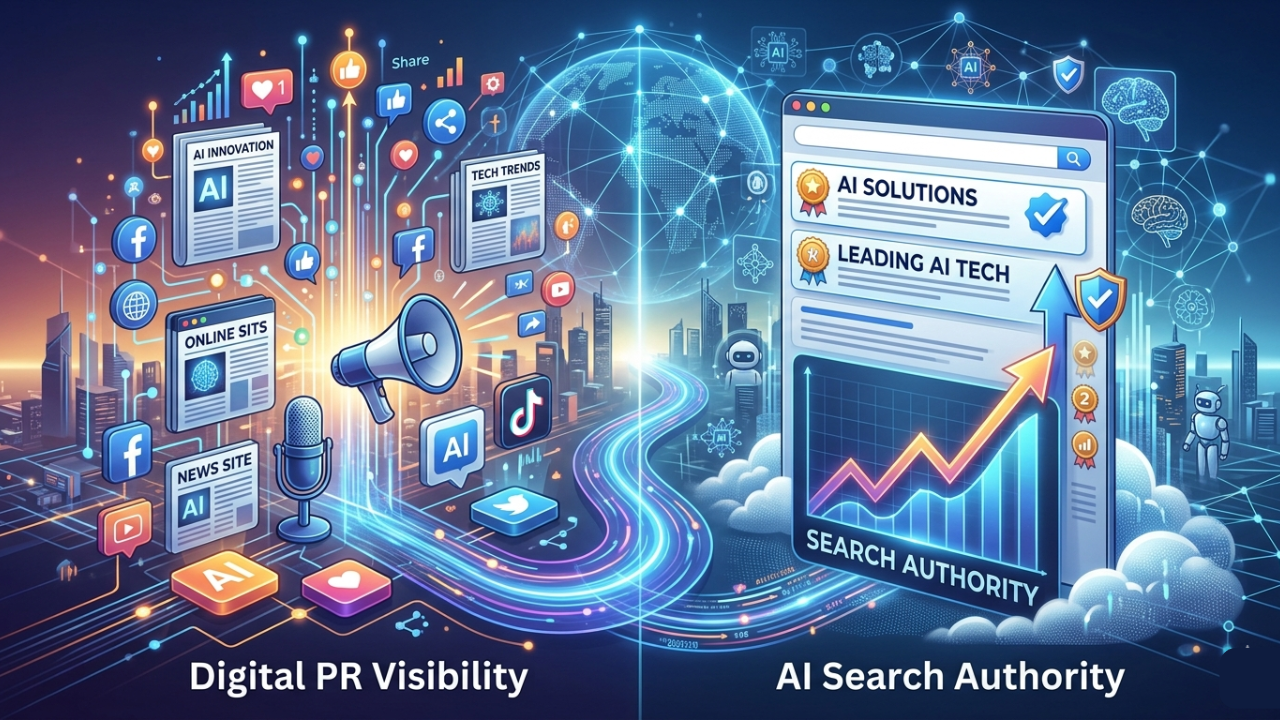
Search is no longer a system of retrieval. It has evolved into a system of selection, where AI platforms interpret, filter, and synthesize information before presenting it to the user. Instead of choosing from a list of links, users are now presented with structured answers generated from multiple sources. This shift introduces a new layer between your content and your audience, fundamentally changing how visibility works.
Read StoryMarch 24, 2026

March 24, 2026

March 23, 2026

March 23, 2026

March 20, 2026

In today’s digital-first legal landscape, reputation management services for lawyers are no longer operating behind the scenes; they are actively shaping first impressions before a client ever makes contact. Research from the Pew Research Center and broader consumer behavior studies indicates that a majority of users rely on online information, especially reviews and search results, to form immediate expectations about credibility, responsiveness, and expertise. This means reputation management services for lawyers are not just about maintaining reviews; they are defining the standard clients expect before the relationship even begins.
Read StoryMarch 20, 2026

March 19, 2026

In today’s digital-first legal landscape, law firm marketing strategies play a critical role in shaping how prospective clients perceive credibility before a single consultation takes place. Research from the American Bar Association and industry studies indicates that over 70% of clients research a law firm online before making contact, and nearly 50% form an opinion based solely on digital presence. This makes digital credibility not just a branding factor, but a decisive influence on client acquisition
Read StoryMarch 19, 2026

For years, SEO followed a predictable formula. Identify a keyword, create a page around it, optimize headings and metadata, and compete for rankings. If the page reached the top positions, traffic followed. But as search behavior has evolved, many brands are realizing that visibility alone doesn’t guarantee outcomes, a shift that becomes clear when you look atwhy high-traffic pages often fail to convert.
Read StoryMarch 18, 2026

March 18, 2026

There’s a point in every growth journey where the numbers start to feel misleading. Traffic is rising, rankings are improving, and visibility is expanding across search, yet conversions remain unchanged. From a distance, everything appears to be working. But when you look closer, the gap between attention and outcome becomes impossible to ignore. What initially feels like progress slowly begins to feel like stagnation.
Read StoryMarch 17, 2026

Online reputation management for lawyers has become a decisive factor in whether potential clients move forward with a consultation or continue their search. Studies show that over 90% of people read online reviews before getting in touch with a professional, and almost three out of four people make trust decisions based only on a person's online presence. In the legal space, where decisions are often high stakes, this behavior directly influences consultation volume.
Read StoryMarch 17, 2026
March 16, 2026

Maintaining a strong law firm transparency reputation is no longer optional; it’s a business necessity. In an era where 91% of legal service consumers read online reviews before contacting an attorney and 84% trust online reviews as much as personal referrals, transparent reputations directly influence client decisions. When potential clients can’t easily understand who you are, how you’ve helped past clients, and what others say about you, you lose credibility before a consultation ever begins, directly impacting your law firm's transparency reputation across digital platforms.
Read StoryMarch 16, 2026

Search engines are no longer just displaying links, they are increasingly generating answers. AI-powered search experiences such as Google AI Overviews, conversational assistants, and generative search engines analyze multiple sources and present summarized responses directly within search results.
Read StoryMarch 13, 2026

In today’s hyper digital marketplace, lawyer reputation consistency isn’t optional; it’s a strategic imperative. More than 83% of potential legal clients begin their search for an attorney by reading online reviews, and 88% say an attorney’s online reputation is one of the top two factors in their hiring decision. Clients form judgments before they ever make a call, and inconsistent or incomplete reputation signals can cost credibility, confidence, and conversions before the first consultation.
Read StoryMarch 13, 2026

There was a time when longer content almost automatically felt more valuable. If a page had 4,000 or 5,000 words, it looked comprehensive. It looked authoritative. It looked like the kind of content search engines should reward. That assumption no longer holds the way it once did.
Read StoryMarch 12, 2026

In today’s digital environment, a law firm’s first impression rarely happens in a courtroom or through a referral, it happens online. A recent industry survey also found that nearly 70–75% of legal clients begin their search for representation through online search engines, while many review three or more law firms before deciding whom to contact. When potential clients begin researching legal representation, they evaluate the online reputation and several digital indicators that influence a lawyer's online credibility, especially through Google Business pages and other equivalent sites, and determine whether a firm appears trustworthy enough to contact.
Read StoryMarch 12, 2026

Search engines are evolving rapidly. Instead of simply ranking pages and sending users to websites, modern search platforms increasingly generate answers directly within search results. AI-powered search systems such as Google AI Overviews and conversational search engines analyze multiple sources, synthesize insights, and deliver summarized responses instantly.
Read StoryMarch 11, 2026

Reputation has always been a cornerstone of the legal profession, but today, the online reputation management for lawyers plays a far more visible and influential role than it did in the past. Potential clients increasingly begin their search for legal services online, where reviews, ratings, and digital presence often shape their first impressions of a firm. As a result, managing a law firm’s online reputation has become an essential part of maintaining credibility, trust, and visibility in a competitive legal landscape.
Read StoryMarch 11, 2026
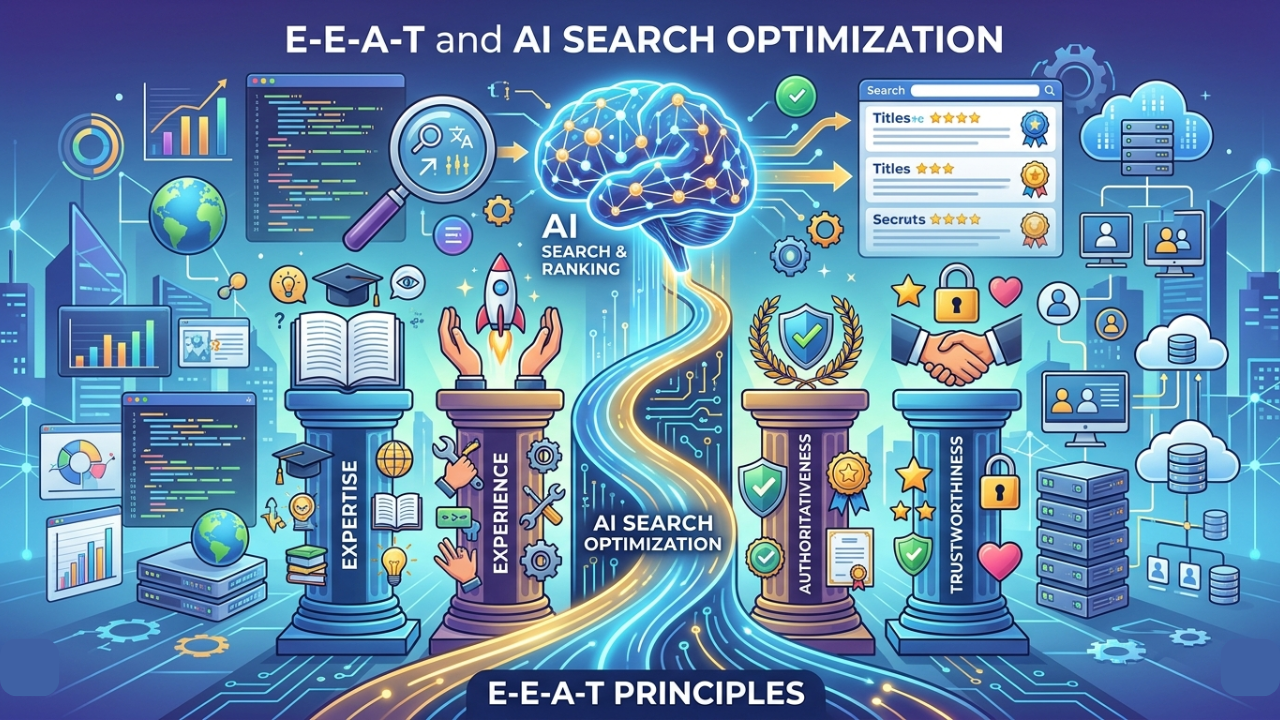
A brand can rank first on Google today and still remain invisible to the user. That’s because search is no longer just about rankings. It’s about which sources AI systems choose to trust when generating answers. AI summaries, conversational search tools, and generative assistants are transforming how information is delivered online. Instead of directing users to a list of websites, search engines increasingly synthesize insights from multiple sources and present them directly within the results. This shift is redefining how brands approach AI search optimization, because visibility now depends not only on relevance but also on credibility.
Read StoryMarch 10, 2026

Many attorneys have traditionally built their reputations through courtroom results, referrals, and years of professional credibility. In the digital age, Google Business reviews for lawyers often shape the first impression potential clients form about a law firm. Before booking a consultation, most people search online, and what they see first is often a firm’s ratings and client feedback on Google.
Read StoryMarch 10, 2026

Understanding how to improve online reviews for AI search rankings has become essential for businesses operating in today’s AI-driven digital landscape. As search systems evolve, online reputation management plays a critical role in shaping how companies are evaluated and discovered online. Artificial intelligence now analyzes reputation signals to determine which businesses deserve stronger visibility in search results. Customer feedback is no longer just a way to show how happy customers are; it is now a powerful data signal that search engines use to judge credibility, trust, and the overall customer experience.
Read StoryMarch 9, 2026

As artificial intelligence reshapes how search engines evaluate credibility, online reputation management is becoming an increasingly important part of digital visibility. Businesses are recognizing that online reviews impact AI search rankings because customer feedback now serves as a key signal that algorithms use to interpret trust, relevance, and overall user satisfaction.
Read StoryMarch 6, 2026

Many companies assume their growth challenges come from external forces. They blame algorithm changes, increased competition, or declining organic reach. When engagement drops or demand slows, the immediate reaction is often to adjust the technical side of marketing new SEO tactics, new platforms, new posting schedules. But during a recent WebiMax webinar, a different perspective emerged:
Read StoryThe real problem usually isn’t the algorithm. More often, the issue is the content itself.
March 5, 2026

Search used to function like a doorway. A user typed a question, the search engine presented links, and the user clicked through to a website for the answer. Increasingly, that doorway is disappearing. a large portion of queries end before a click ever happens. AI summaries, voice assistants, knowledge panels, and featured snippets now deliver answers directly within the search results interface.
Read StoryMarch 5, 2026
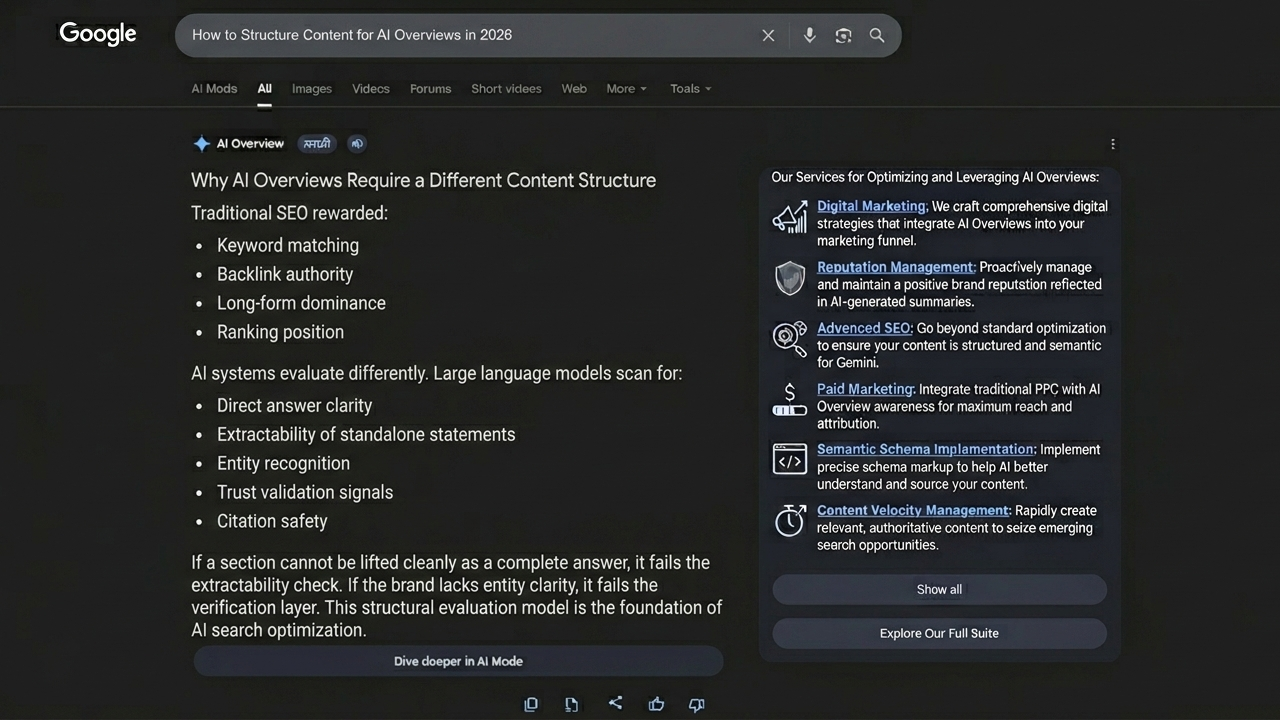
If your brand is not appearing inside AI-generated answers, you are invisible at the moment of decision. Search has shifted from links to synthesis. Google’s AI Overviews now shape how users interpret information before they ever scroll, and organic click-through rates drop sharply when AI summaries appear. That means visibility is no longer defined by ranking position alone.
Read StoryMarch 2, 2026

Google Business Profile optimization was treated as a checklist exercise. Businesses claimed their listing, filled in their hours, uploaded a few photos, and considered the job done. Even many traditional Local SEO services approaches focused primarily on map pack rankings and citation consistency rather than how profiles would be interpreted by AI-driven search systems.
Read Story Company