


Ken Wisnefski, July 7, 2026
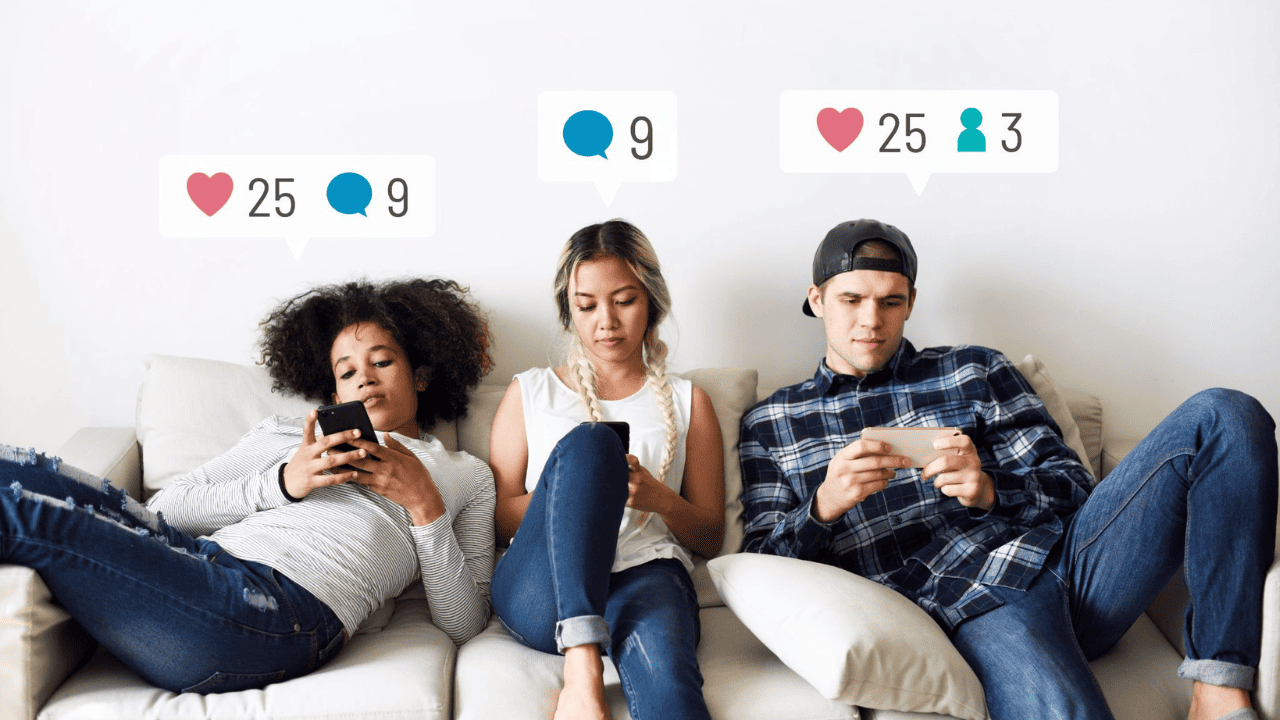
High engagement is often viewed as a sign of success, yet social media audiences frequently interact with content without becoming customers. Likes, comments, shares, and video views demonstrate interest, but they do not necessarily indicate purchasing intent. This difference between engagement and conversion is known as the trust gap a stage where audiences recognize a brand, enjoy its content, but have not yet developed enough confidence to take meaningful business action.
As social platforms continue to evolve, businesses are discovering that building visibility is only one part of effective social media marketing. Long-term success depends on understanding how trust develops across multiple interactions and why audiences often require much more than engaging content before making decisions.
Why Engagement Does Not Always Lead to Conversion
Many businesses assume that highly engaged social media audiences are naturally close to becoming customers. In reality, engagement often represents curiosity rather than commitment.
Users interact with content for many reasons, including:
- Entertainment
- Education
- Inspiration
- Professional interest
- Personal relevance
- Community participation
While these interactions help increase visibility, they do not automatically reflect purchasing intent.
A person may consistently engage with valuable content for months before considering a product or service.
The Difference Between Attention and Trust
Attention is relatively easy to capture. Trust develops much more gradually.
Social media audiences often encounter brands for only a few seconds at a time while strolling through constantly changing feeds. During these brief interactions, users may appreciate a post without feeling ready to begin a business relationship.
Trust generally develops through repeated experiences that demonstrate:
- Expertise
- Consistency
- Transparency
- Reliability
- Authentic communication
- Educational value
Each interaction contributes a small amount of confidence, but meaningful trust rarely develops from one post alone.
Modern Buyers Conduct Independent Research
Today's customers rarely make purchasing decisions based solely on social media content.
Instead, social media audiences often use platforms as the starting point for broader research.
After discovering a business, users may:
- Visit its website
- Read blog articles
- Explore customer reviews
- Compare competitors
- Watch additional videos
- Search for independent information
Social media creates awareness, while trust is reinforced across multiple digital touchpoints.
Consistency Builds Confidence
One reason businesses struggle to convert social media audiences is inconsistent messaging across channels.
A company's social content, website, email communication, and customer interactions should reinforce the same core message.
Consistency includes:
- Similar tone of voice
- Clear brand positioning
- Reliable educational content
- Professional presentation
- Unified customer experience
When messaging remains consistent, audiences develop confidence more quickly because every interaction supports previous impressions.
Educational Content Reduces Uncertainty
Educational content often plays a larger role in conversion than promotional messaging.
Many social media audiences are looking for information that helps them solve problems rather than advertisements encouraging immediate purchases.
Educational posts may explain:
- Industry trends
- Common challenges
- Practical solutions
- Best practices
- Frequently asked questions
- Helpful strategies
Providing useful information demonstrates expertise while reducing uncertainty.
This positions businesses as trusted resources instead of simply sellers.
Social Proof Reinforces Trust
People naturally seek reassurance before making decisions.
One-way businesses strengthen relationships with social media audiences is by providing evidence that others have had positive experiences.
Examples of social proof include:
- Customer testimonials
- Case studies
- User-generated content
- Client success stories
- Professional recognition
- Industry certifications
These trust signals help reduce perceived risk while supporting buyer confidence.
The Customer Journey Extends Beyond Social Platforms
Social media rarely represents the complete buying journey.
Instead, social media audiences often transition between multiple channels before making decisions.
A typical journey may involve:
- Discovering a business through social content.
- Visiting the company website.
- Reading educational resources.
- Comparing available options.
- Contacting the business for additional information.
Understanding this progression helps businesses create more connected marketing experiences.
Rather than expecting immediate conversions, organizations can focus on supporting each stage of the decision-making process.
Measuring Trust Instead of Only Engagement
Likes and comments provide useful information, but they do not fully explain how buyer confidence develops.
Businesses evaluating social media audiences may also monitor:
- Website visits from social platforms
- Returning visitors
- Resource downloads
- Email subscriptions
- Consultation requests
- Repeat engagement over time
These indicators often provide deeper insights into audience trust than engagement metrics alone.
Building Long-Term Relationships Through Social Media
Organizations such as the Interactive Advertising Bureau (IAB) emphasize that effective digital marketing increasingly depends on creating meaningful customer relationships rather than maximizing short-term engagement metrics. This perspective aligns closely with how social media audiences develop trust through repeated, valuable interactions across multiple touchpoints.
Businesses that consistently educate, communicate transparently, and maintain authentic relationships are often better positioned to transform engaged followers into confident buyers over time.
Conclusion
While engagement remains an important measure of visibility, social media audiences do not automatically become customers simply because they interact with content. Trust develops gradually through consistent communication, educational value, social proof, and positive experiences across multiple channels.
Understanding this trust gap allows businesses to design social media strategies that support long-term relationship building rather than focusing exclusively on immediate conversions. As buyers continue conducting independent research before making decisions, organizations that prioritize trust alongside engagement will be better equipped to build stronger customer relationships and achieve sustainable business growth.