


Ken Wisnefski, May 11, 2026
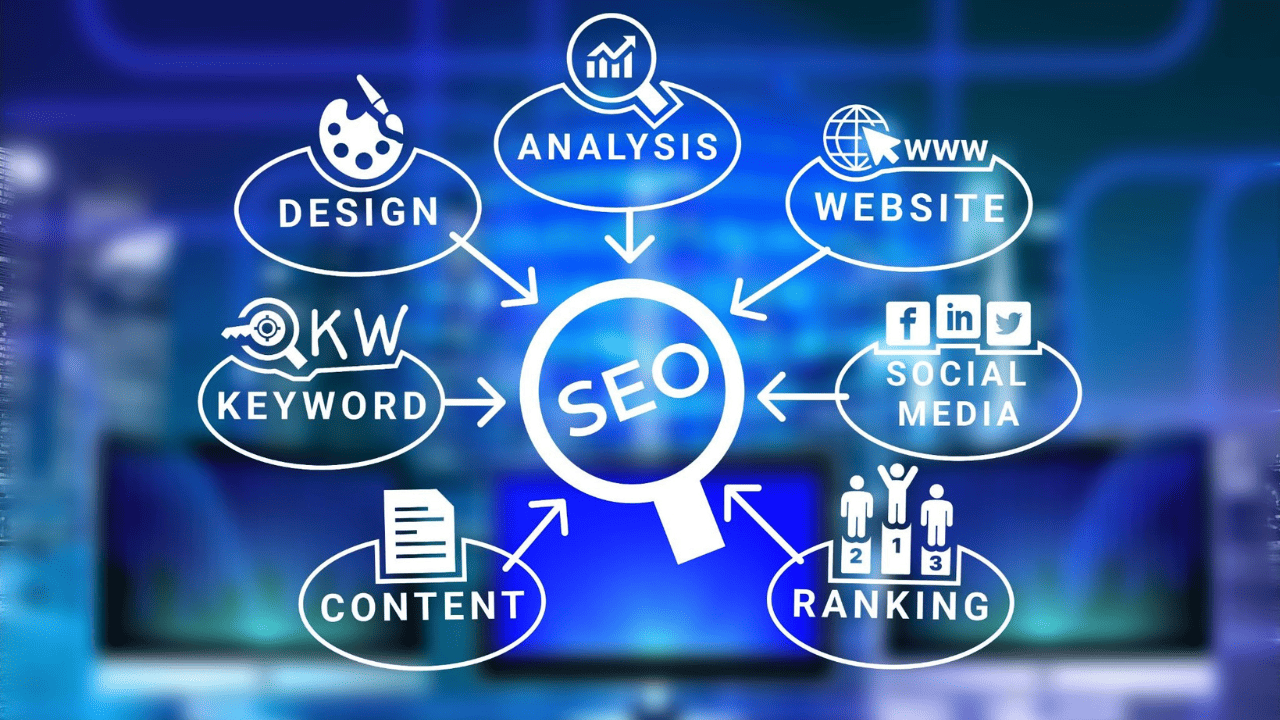
Traditional SEO often focused heavily on keywords, backlinks, and on-page optimization. While these signals still matter, AI-powered systems now place greater emphasis on how information is organized across an entire website. Search engines increasingly analyze whether a site demonstrates clear topical relationships, logical navigation pathways, and contextual consistency between pages.
As AI search systems continue moving toward answer generation instead of simple page retrieval, websites with stronger semantic structures are becoming easier to interpret, trust, and rank.
What Is Semantic Site Structure?
Semantic site structure refers to the way website architecture organizes information based on meaning, relationships, and topical relevance rather than simple navigation alone.
In modern site structure for SEO, search engines evaluate:
- how topics connect
- how pages reinforce one another
- how information flows hierarchically
- how clearly content relationships are established
Instead of treating every page independently, AI systems now interpret websites as topic ecosystems.
For example:
- a services page supports a broader category
- supporting blogs reinforce topical depth
- internal links strengthen semantic associations
- navigation reflects content hierarchy
This interconnected structure helps search engines understand not just what a page says, but where it fits within the broader knowledge framework of the site.
Why AI Search Engines Care About Website Hierarchies
AI-driven search systems are designed to interpret context at scale. To do this effectively, they rely heavily on website hierarchy.
A clear hierarchy helps AI systems determine:
- primary topics
- supporting subtopics
- authority relationships
- content depth
- navigational relevance
Without a structured hierarchy, search engines struggle to understand which pages carry the most importance and how topics relate to one another.
This is why site structure for SEO now directly impacts:
- crawl efficiency
- semantic understanding
- topical authority
- answer generation eligibility
- AI search visibility
In many cases, websites lose visibility not because the content is weak, but because the structure fails to communicate relationships clearly.
The Shift from Keyword Architecture to Entity Architecture
One of the biggest transformations in modern SEO is the movement away from keyword-centric architecture toward entity-centric systems.
Traditional structures often grouped pages around:
- isolated keywords
- search volume opportunities
- exact-match optimization
Modern AI systems, however, organize information through entities and relationships.
This is why businesses increasingly invest in entity-based SEO systems that help search engines understand contextual relationships between concepts, brands, and topics across a website’s architecture. Entity-driven frameworks help AI systems interpret meaning more accurately, especially in complex search environments where semantic clarity matters more than keyword repetition.
As a result, site structure for SEO is no longer just a technical concern; it has become a semantic communication system.
How AI Crawlers Interpret Site Structure
Modern crawlers do far more than index pages. AI-enhanced search systems evaluate structural signals to determine:
- topic clustering
- authority concentration
- navigational pathways
- semantic consistency
Several structural elements influence this interpretation:
1. URL Hierarchies
Logical URL structures help define topic relationships.
Example:
- /seo/
- /seo/technical-seo/
- /seo/technical-seo/site-architecture/
This layered organization reinforces contextual depth.
2. Internal Linking Systems
Internal links act as semantic connectors between related concepts.
3. Navigation Design
Menus and category systems communicate content priority and topical organization.
4. Content Grouping
Closely related content clusters strengthen thematic understanding.
Together, these signals help AI systems map the knowledge structure of a website.
Why Flat Website Structures Are Losing Effectiveness
For years, many websites pursued “flat architecture” models where every page was accessible within minimal clicks. While accessibility still matters, oversimplified structures can weaken semantic clarity.
Flat structures often create:
- weak topic differentiation
- diluted authority pathways
- unclear parent-child relationships
- disconnected content ecosystems
Modern site structure for SEO requires balance:
- accessible navigation
- but also meaningful hierarchy
AI systems increasingly reward websites that demonstrate clear topical layering rather than shallow content distribution.
Internal Linking as a Semantic Reinforcement System
Internal linking has evolved far beyond basic navigation. In AI-driven SEO, internal links reinforce semantic relationships between pages.
Strategic internal linking helps search engines:
- identify primary topics
- discover supporting content
- understand contextual depth
- strengthen authority signals
This is especially important in large websites where AI systems must determine which pages act as core authority hubs.
Websites that build interconnected semantic pathways often improve:
- crawl efficiency
- indexing consistency
- contextual relevance
- search visibility
In modern site structure for SEO, internal links effectively function as interpretive signals for AI systems.
Topical Clustering and Hierarchical Depth
One of the strongest indicators of semantic structure is topical clustering.
A topical cluster typically includes:
- pillar content
- supporting subtopics
- related informational pages
- interconnected internal links
This structure demonstrates:
- subject expertise
- contextual breadth
- semantic organization
Businesses that invest in topical authority strategies built around deep, interconnected content ecosystems rather than isolated pages often perform more consistently in AI-driven search environments. Strong topical clusters help search systems understand not only what a site discusses but also how comprehensively it covers a subject area.
As AI search becomes more context-aware, hierarchical depth becomes increasingly important for long-term visibility.
How Site Structure Influences Trust Signals
AI search engines are also becoming more sophisticated at evaluating trust and credibility signals across entire websites.
A disorganized structure can create:
- inconsistent topical focus
- fragmented authority
- weak contextual relationships
In contrast, a well-structured site reinforces:
- expertise
- consistency
- reliability
- authority alignment
This becomes especially important as AI systems increasingly evaluate how users interact with brands across multiple search experiences.
Modern search behavior now relies heavily on AI-driven brand trust interpretation systems that evaluate credibility, consistency, and contextual authority across digital environments. Site architecture plays a direct role in strengthening these trust signals by creating clearer semantic alignment across content ecosystems.
The Role of Site Structure in AI Answer Generation
Search engines are gradually shifting from ranking pages to generating answers.
This changes how websites compete for visibility.
AI answer systems prioritize content that is:
- structurally organized
- contextually complete
- semantically reinforced
- easy to interpret algorithmically
When site hierarchies are unclear, AI systems may struggle to:
- identify authoritative pages
- retrieve supporting context
- validate semantic relationships
Strong site structure for SEO improves the likelihood that content can be surfaced within:
- AI summaries
- answer boxes
- conversational search responses
- generative search experiences
This makes architecture increasingly important for future search visibility.
Common Site Structure Mistakes That Hurt SEO
Many websites unknowingly weaken their SEO through structural issues.
Common problems include:
-
Orphan Pages: Pages without internal links become difficult for search engines to contextualize.
-
Excessive Category Overlap: Too many overlapping categories dilute topical clarity.
-
Weak Content Hierarchies: Disorganized navigation reduces semantic consistency.
-
Inconsistent Internal Linking: Random linking patterns confuse contextual relationships.
-
Keyword-Based Fragmentation: Creating multiple thin pages targeting slight keyword variations weakens authority concentration.
Modern site structure for SEO requires cohesion, not fragmentation.
Building a Semantic Site Structure in 2026
To align with modern AI search systems, businesses should focus on creating structures that prioritize meaning and relationships.
Key strategies include:
-
Create Topic-Centric Hierarchies
-
Organize pages around broad themes and supporting subtopics.
-
Strengthen Internal Link Networks
-
Connect related content contextually.
-
Consolidate Redundant Pages
-
Reduce fragmentation by merging overlapping content.
-
Build Clear Navigational Logic
-
Ensure users and crawlers can follow topical pathways easily.
-
Prioritize Contextual Depth
-
Develop supporting content that reinforces core authority pages.
Together, these practices create stronger semantic ecosystems that AI systems can interpret more effectively.
Conclusion: Site Structure Is Becoming a Language for AI Search Engines to Read
The future of SEO is no longer centered solely around keywords or backlinks. Search engines are increasingly interpreting websites through semantic relationships, contextual organization, and structural clarity.
This means site structure for SEO is evolving into something much larger than navigation; it is becoming the language AI systems use to understand digital authority.
Websites that build clear hierarchies, reinforce topic relationships, and organize information semantically will be better positioned for the next generation of search visibility.
As AI-driven search continues evolving, the most successful websites will not simply publish more content. They will build more understandable systems.